Important 2025 Recap: Starting 2026 With Extra Colour
A 2025 recap through a Stoic lens, ending with a Christmas Eve walk from Little Venice to Paddington Basin and fresh photography goals for 2026.
Letting go of the noise, keeping the light: a Field Notes reset for 2026
Welcome to the final 2025 edition of Field Notes for a Modern Life. This is a year end reflection with a simple aim: to loosen my grip on global anxieties, focus on what can be controlled, and rediscover meaning in attention, travel, creativity, and ordinary moments. I have come to see writing as more than an output. It is a way of noticing. A journey of discovery, not just about the world, but about ourselves.
💡If you like Field Notes for Modern Life, please subscribe.
Gas prices rise. Food costs creep up. Migration dominates headlines, usually framed as crisis rather than context. These forces sit far beyond the reach of the ordinary citizen, yet they occupy an extraordinary amount of mental space. The question is not whether they matter. It is whether constant worry about them improves anything at all.
The ancient Stoics would have answered plainly. Zeno of Citium taught that peace comes from separating what is within your control from what is not. You can vote, speak, act locally, and live with intent. You cannot personally stabilise global energy markets or redraw geopolitical fault lines. Anxiety pretends otherwise, then charges interest.
As I write this, darts players are duelling at the oche, chasing a quarter final place at the World Championships. Outside, two mechanics are in the street, tools spread around a Dodge Ram 1500, working methodically in the cold as if nothing else exists. At the same time, people across the world are fighting for survival. Different realities, all happening at once. The world does not pause for our worries, nor does it wait for our attention.
Seen through that lens, 2025 has been a year of quiet discovery. Not the loud, algorithm driven kind, but the sort that turns up when you slow down. Brighton on a cold morning. York’s cobbled streets that still reward anyone who walks without a plan. The beaches of Spain’s Costa Blanca. Tenerife’s stargazing, that humbling reminder that our lives are both important and very small.
Writing has become part of my routine. From my ventures on Substack, to launching Field Notes for Modern Life, to pushing on with my novel, Unaware, Unprepared, the page has given me space to think clearly and express myself on my own terms.
The world through the lens of my Fuji Camera
Photography has done the same, and in 2025 it stopped being a side hobby and started feeling like part of the work.
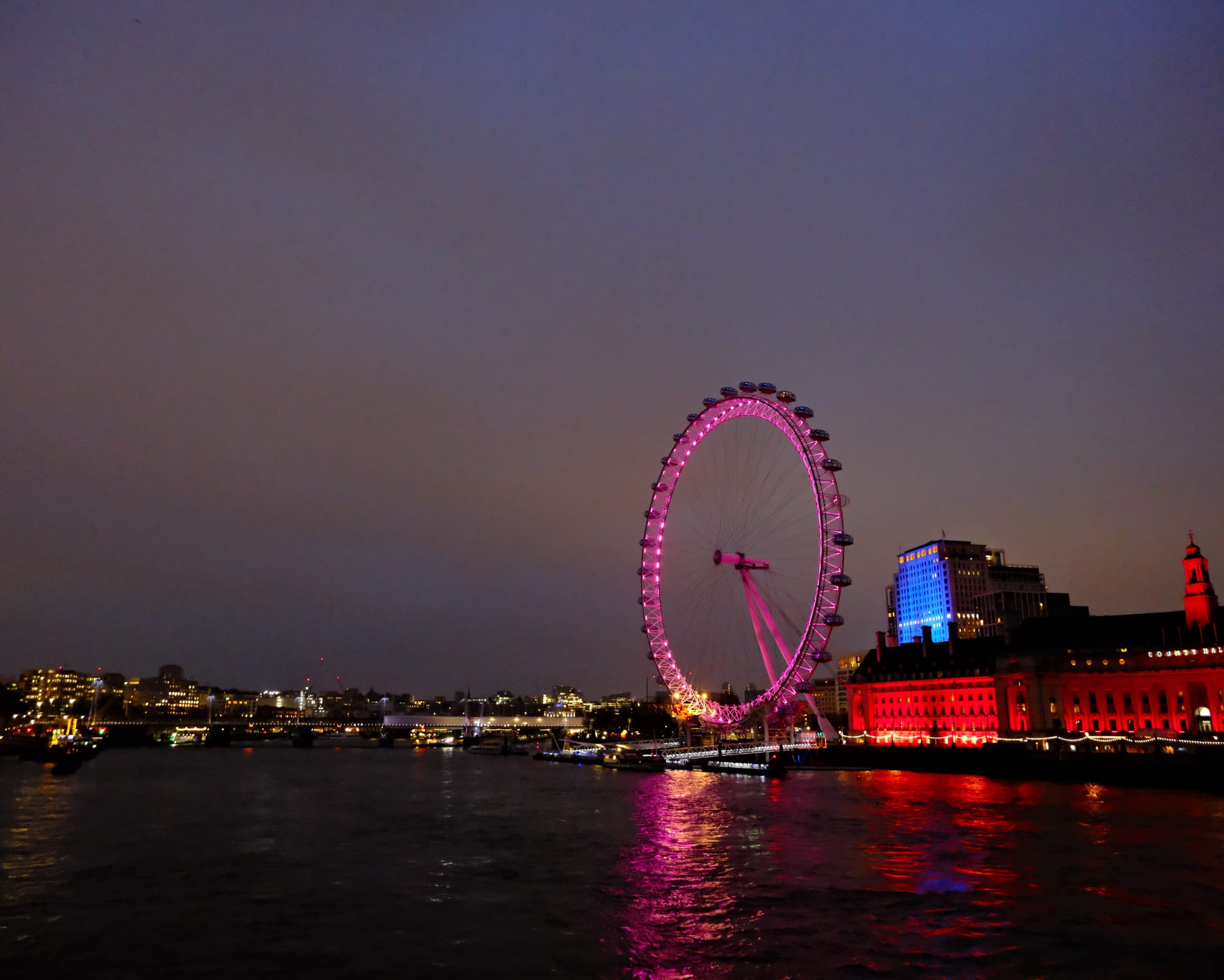
The Fuji camera has trained my eye to notice details I once walked past. The technical side is satisfying in the way practical skills usually are. Shutter speed, aperture, ISO, the small decisions that shape an image before you have even raised the camera. But the real shift has been internal. Photography makes you slower. It makes you more patient. It makes you look twice.
It also changes what you consider worth noticing. Reflections in glass. The geometry of a stairwell. A pause between strangers. A single cone of light on wet pavement. The ordinary becomes interesting once you decide to treat it as if it is.
That hit home on Christmas Eve, on a walk that was meant to be a simple stretch of the legs and turned into a quiet little pilgrimage with a camera.
I started at Little Venice, where the water always seems to soften London’s edges. Even in winter it has that calm, canal side hush, the kind that makes you speak a touch lower without thinking. I followed the water down towards Paddington Basin, letting the route decide itself. Houseboats and footbridges. Low winter light. The occasional ripple from a moorhen moving like it owns the place. Commuters thinning out, shoppers heading home, the city easing into that strange Christmas pause where time feels slightly less aggressive.
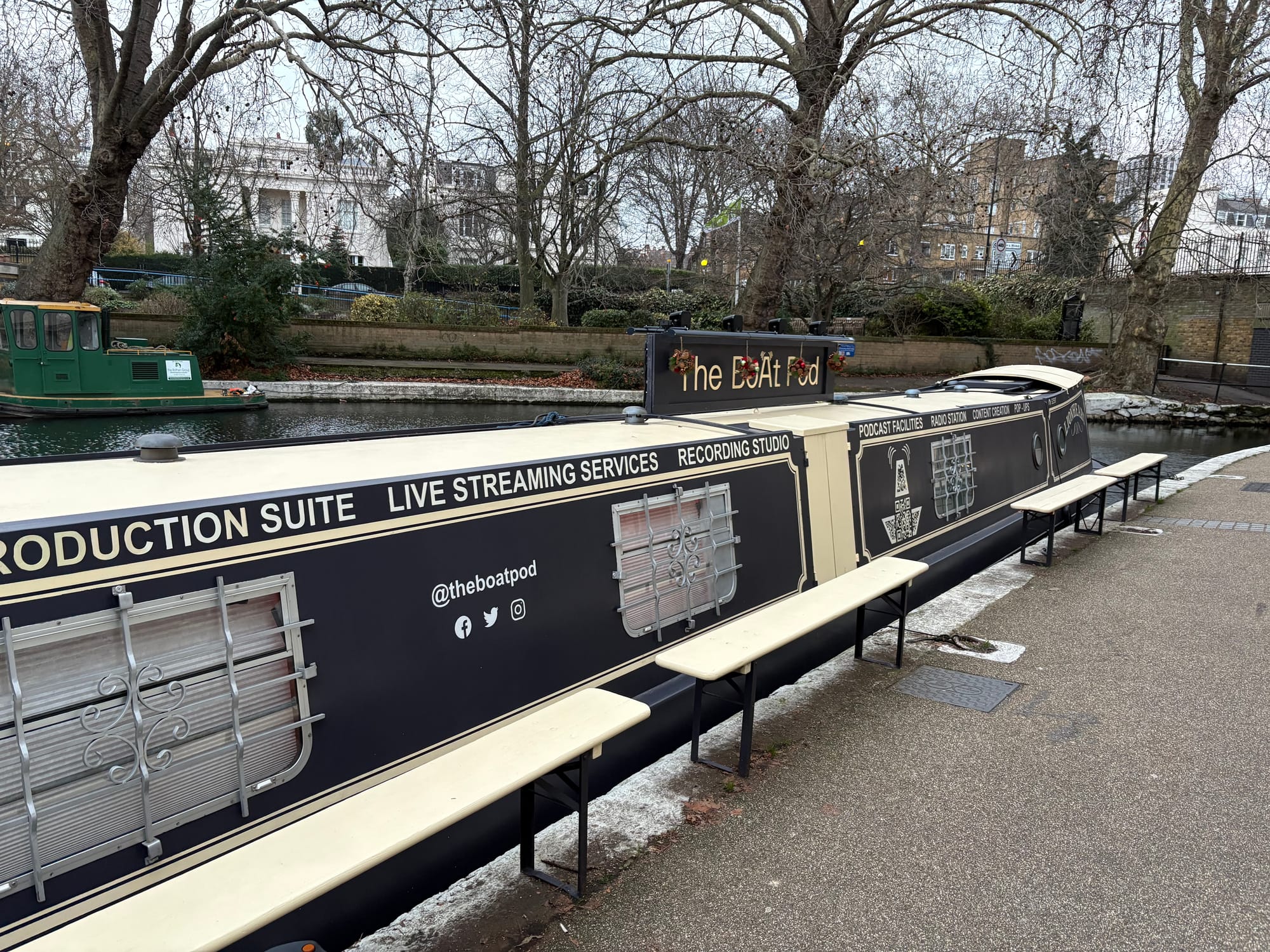
Paddington Basin has its own character. Cleaner lines, modern angles, glass and steel catching whatever daylight is left. But the water keeps it human. You can stand there and watch the reflections wobble, and for a moment it feels as if London is exhaling.
That is what I want more of in 2026. Not just travel as movement, but travel as attention.
I want to photograph the moon properly, not as a blurry afterthought above a skyline. I want to learn how to catch stars with intention, to pick out planets, to build the patience for night sky work where nothing happens quickly and everything depends on preparation. I want more wildlife too, the kind you only see when you stop trying to get somewhere. Birds along the canal. Foxes at the edge of a park. The small lives that carry on regardless of our schedules.
Places of worship will stay on the list as well. There is something about photographing churches and cathedrals that suits this Field Notes approach. They are spaces built for stillness. They invite you to notice light, texture, age, and scale. They remind you that humans have always tried to make meaning out of chaos, and often did it with stone, wood, and silence.
Photography excites me as much as writing does, and the surprise is how similar they feel when you strip away the tools. Both are ways of framing. Both ask the same question: what is worth paying attention to? Writing does it with sentences. Photography does it with light. Either way, you are trying to be honest about what you saw and how it made you feel.
I have also learned to detach from the emotional noise of sport. Football once dictated weekends and moods. It mattered more than it deserved to. Stepping back did not diminish loyalty. It restored proportion, and gave me the freedom to explore other interests without feeling as if I was betraying anything.
Perhaps most unexpectedly, readers have played their part. Growing subscriber numbers create accountability of a healthier kind. Not pressure, but permission. Permission to explore new genres, to write reflectively rather than reactively, and to stay curious rather than angry.
If there is a thread running through 2025, it is this: let go where you must. Focus where you can. Notice what is already in front of you. In a world that profits from distraction, that might be the most practical form of control left to the ordinary citizen.
See you in 2026.
💡If you like Field Notes for Modern Life, please subscribe.
So what would change if you spent less time worrying about what you cannot control, and more time paying attention to what is already happening around you?