FIFA World Cup 2026: Who is The Tournament Really for?
A Field Notes reflection on the FIFA World Cup 2026: soaring costs, long-haul travel and sustainability spin, and what it all means for ordinary fans.

How ticket prices are leaving ordinary football fans behind
The World Cup. June 2006, Frankfurt, Germany. I stood with my best mate in Römerberg, the old market square in the heart of the city. There must have been eighty thousand England fans crammed in together. Flags from clubs up and down the country hung from the timbered buildings. Songs rolled through the square like a tide.
Germany had put on a show. That summer felt magical. Warm evenings, cold beer, a sense that anything might happen. England expected, as we always do, and as usual the men in the Three Lions shirts failed to deliver.
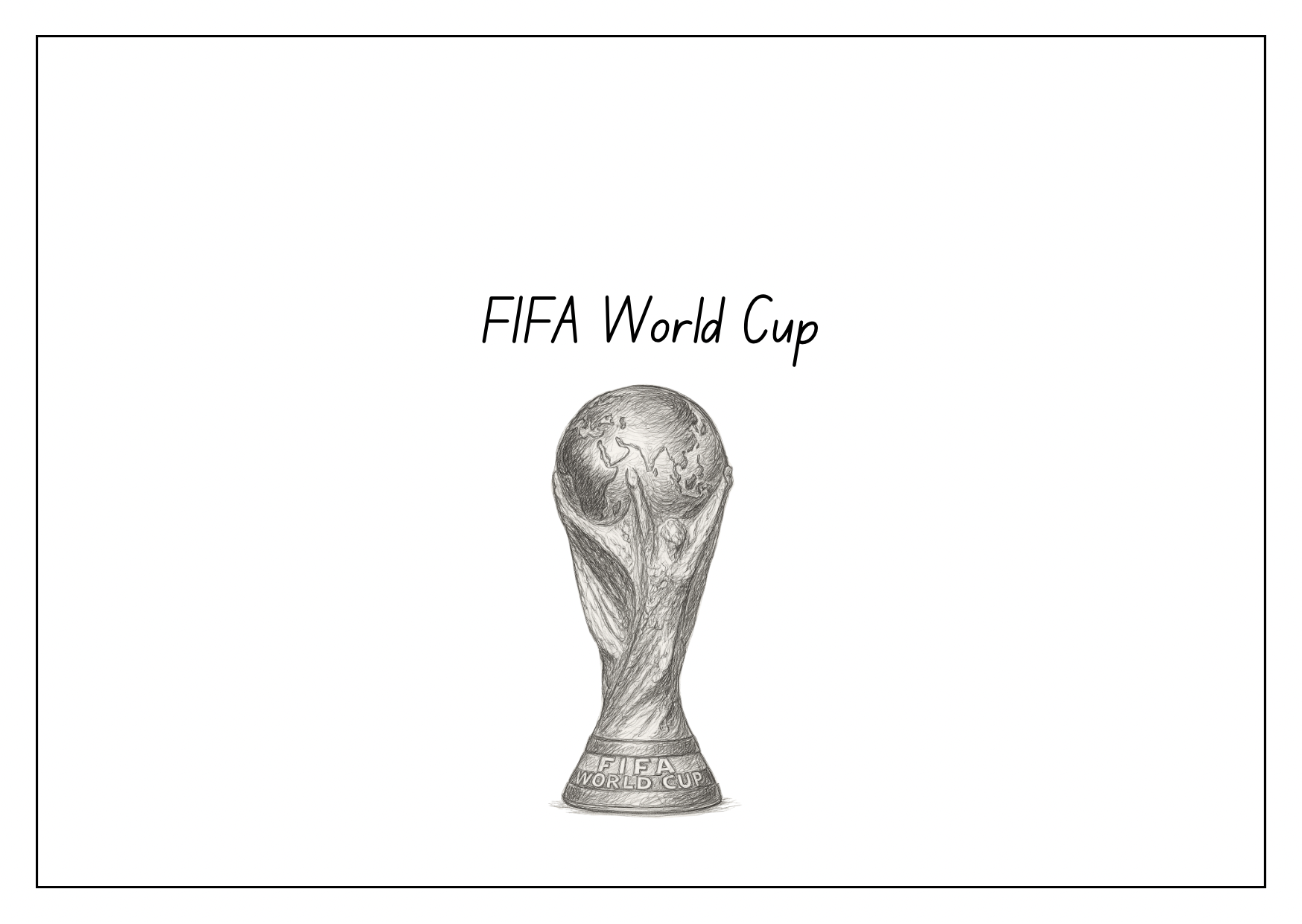
This Friday the draw for the 2026 World Cup takes place. Football’s most coveted tournament is heading to a trio of hosts. Fans will get the chance to see the world’s biggest stars across Canada, Mexico and the United States.
On paper it sounds impressive. In reality, it leaves me with a nagging question.
Who is this World Cup really for?
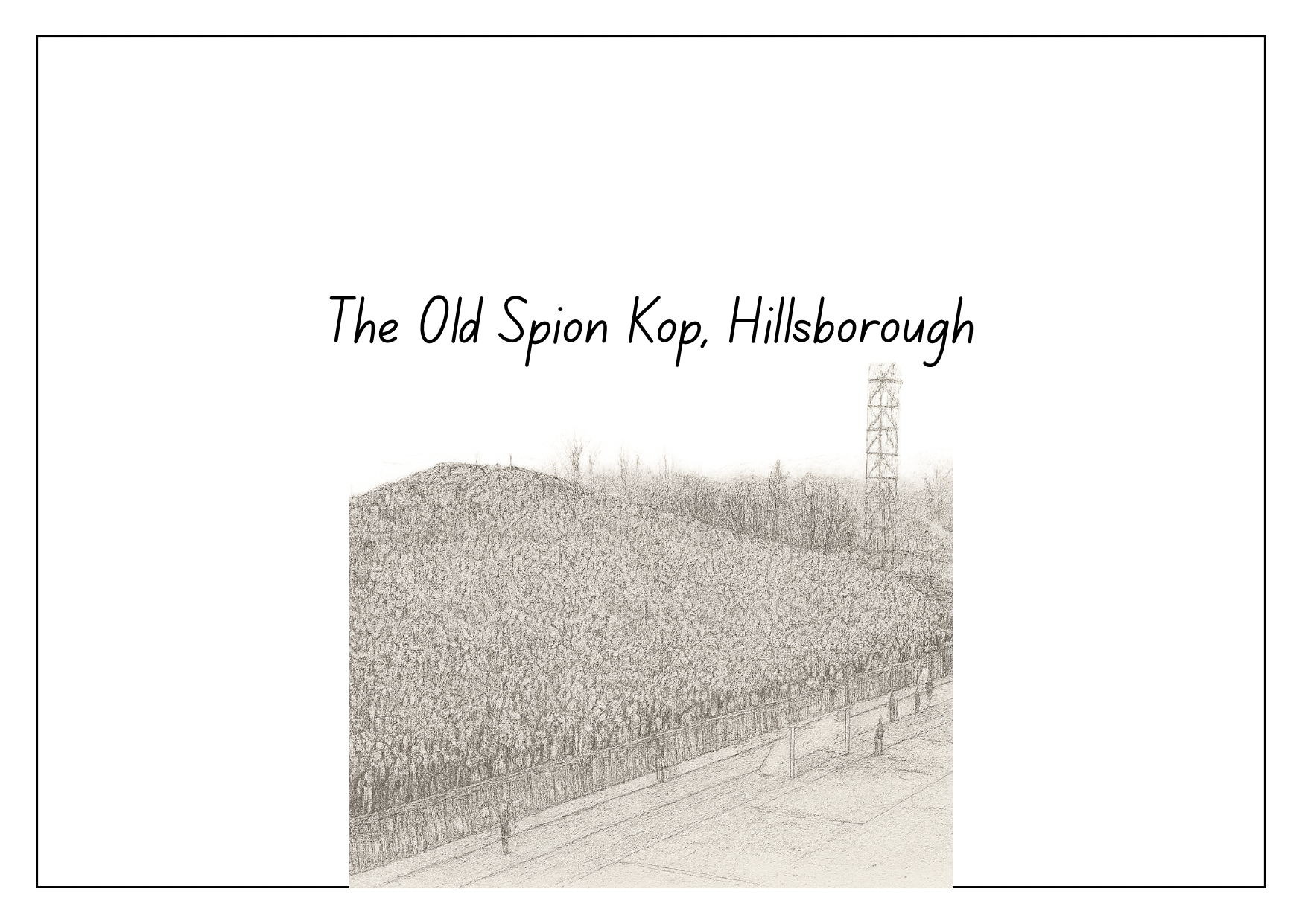
I have been watching professional football since I was seven years old. Back in 1984 my boyhood club did not charge my dad to lift me through the turnstile and onto Hillsborough’s roofless Spion Kop. It was cold, it was noisy, and it felt alive.
My first clear memory of a World Cup came two years later. Mexico 86. Argentina ruled the roost in the sweltering heat, beating West Germany in the final. The country was still dealing with the aftermath of devastating earthquakes, yet somehow it came together to put on a spectacle.
Diego Maradona
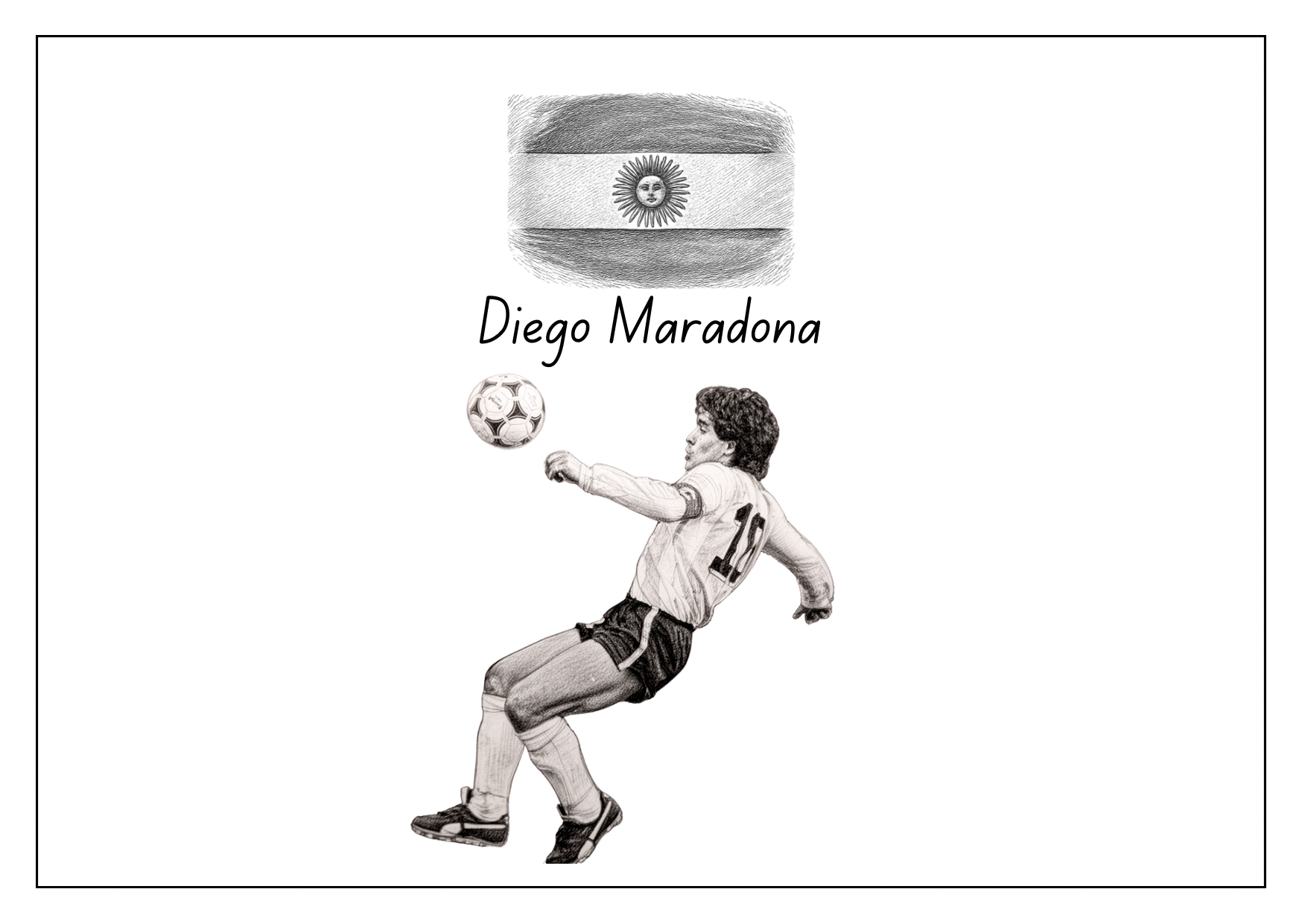
On the pitch, a little Argentinian forward sent his own shockwaves through the tournament. Diego Maradona.
He glided past midfielders and defenders as if they were running through sand. Against Bobby Robson’s England in the quarter-finals, he wrote himself into history twice in the same match. First with the Hand of God, then with one of the greatest solo goals ever scored on a football pitch.
Robson famously called him both a genius and a rascal. I can think of other adjectives, but Bobby Robson’s choice feels about right.
In today’s inflated market, Maradona’s transfer fee would be out of reach for all but a handful of clubs. His image would be wrapped in sponsors, his name treated like a global brand, and somewhere in the middle of that noise you would still find the boy from Buenos Aires who just wanted the ball at his feet.
Back in 1986 most major tournaments were hosted by a single nation. Teams tended to move between two or three cities. Fans could follow their country without taking out a second mortgage or living in airports.
It was still expensive. It was still a commitment. But you did not feel like the whole thing had been designed around broadcast rights, luxury hospitality and corporate partners first, with supporters invited along as background decoration.
You hear it a lot now. “The modern game isn’t for the fans.” I do not think that is entirely true, but I know where the frustration comes from.
Ticket touts selling at eye-watering prices. Clubs charging sums that would have seemed absurd a generation ago. In Frankfurt in 2006 someone offered me a ticket to England v Paraguay for seven hundred and fifty euros. For one group game.
FIFA has built a global platform designed to generate huge income. That is not exactly a revelation. We have drifted into an era where the name on the back of the shirt can feel bigger than the badge on the front. Agents circle, sponsors queue up, and everyone takes their slice.
Somewhere in the middle of that, a kid still walks into a ground for the first time, hears the noise, smells the burgers and falls head over heels in love with the game. That is the part I never want to lose sight of.
Which brings me back to 2026.
How much will it cost to watch a World Cup now?
How long is a piece of string.
Let’s take one simple example. Imagine you fancy the United States’ first game on home soil, played in Los Angeles. You book time off work. You talk your family into it. You decide this is your one big football trip.
Return flights from Heathrow to LA in June are rarely cheap at the best of times. Add a World Cup into the mix and you are looking at a four-figure sum for two people before you have even chosen seats or added a suitcase.
A mid-range hotel in a city like Los Angeles will happily relieve you of a couple of hundred pounds a night. Four nights, and you are already in the territory of a good used car.
By the time you add food, local transport, a few drinks and actual match tickets, your once-in-a-lifetime experience has edged towards the sort of money that used to be associated with house deposits, not a week at the football.
That is before we even talk about following your team across multiple cities and countries. Canada one week, the United States the next, Mexico after that. You would need the stamina of a teenager and the bank account of a board director.
This is the point. The World Cup has always been special, but it used to feel just about reachable for the ordinary lad who stood on the Kop with his dad. Now it feels tuned to a different audience entirely.
Then there is the sustainability question
Football, like every other global industry, is under pressure to look and feel greener. FIFA publishes glossy brochures talking about carbon neutrality, legacy projects and community benefits.
On paper, a tri-nation tournament sounds like a regional celebration. In practice, you are still talking about vast flows of people and goods across an entire continent.
Planes zig-zagging between group games. Team delegations, officials and media crews hopping from city to city. The power needed to run stadiums, fan zones and data centres. The merchandise shipped, the food grown, the waste produced and quietly trucked away.
Travel and waste emissions alone are astronomical. Add in all the hidden layers, and you have a tournament built on a foundation of fuel.
Here is the kicker.
Most football fans are not thinking about greenhouse gas emissions. They are thinking about whether they can afford the ticket and the pint when they get inside.
And I do not blame them. If you have spent four years putting money aside to follow your country, you are not considering Scope 3 emissions in the eighty-ninth minute when your centre-forward goes through on goal.
This is where the hypocrisy bites. Football is asked to be sustainable, yet the structures around it reward bigness. Bigger tournaments, more games, more host nations, more content. You cannot grow endlessly and still pretend it is all light on the planet.
I have watched Sheffield Wednesday up and down the country. I have stood on cold terraces and sat in shiny new stands. In every ground I have ever visited, the same truth applies. Most supporters care about three things.
Is the ticket affordable?
How are we getting to the ground?
How much is a beer?
FIFA will talk about legacy and inspiration. Governments will talk about tourism, trade and national pride. Broadcasters will talk about audience share.
Somewhere near the back, wedged between a flag and a plastic seat, there will be a fan who has saved hard to be there. Their voice will help create the atmosphere that sells the product to the world. They will be the last to be asked what they think.
I will still watch the 2026 World Cup, but I no longer get that knot in my stomach when England line up. And I no longer find myself shouting at a screen thousands of miles away.
Final View on the World Cup
The game has grown, and not always in ways that make sense for the people who love it most. The question for this World Cup, and every one that follows, is simple.
Are we building a festival of football, or just another luxury product with a ball in the middle?
The answer will not be found in a press release. It will be written in the faces of the people who can actually afford to be there.